
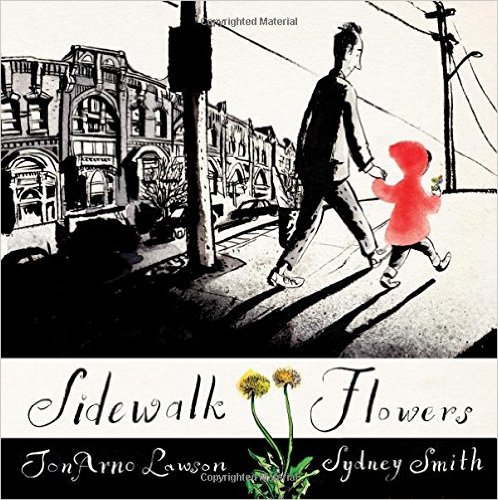
After moving to Toronto I started gathering source material for the book. The buildings and the people were all so exciting and overwhelming. Some nights I would look out the window of my studio and see the neon signs of China Town and the sidewalks full of people and feel that electricity. Being in a big city reminded me of all the old street photography I loved from New York and Chicago and I knew I could use that inspiration in this project.
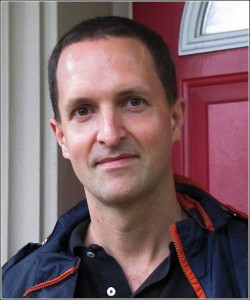 JL: I told Sheila Barry (the publisher of Groundwood Books, and the editor of this particular book) early on, and she liked it. She gave me some very good advice, but she was at a different press then, and not in a position to take it on. It got rejected a lot – I submitted it to a lot of different presses – and I could understand why, because it was an odd idea – I don’t really blame anyone for turning it down. And the rejections were mostly quite encouraging, actually. Anyway, Sheila was in a position to take it on once she was at Groundwood, and she took the risk. She had seen Sydney’s work and she had a feeling he’d be the perfect illustrator for this story, and that was it. I had the story mapped out spread by spread, with suggestions for details – I wanted it to start out colorless, and for the color to build gradually (for symbolic reasons, but also because that’s what the walk itself was like) – the geographical setting was important to me (certain spots along the actual walking in Toronto). Beyond that Sydney was free to interpret it in the way he wanted to. So he used my notes, but then he went beyond them, and used other ideas of his own – he used some of my settings, but he also used others that were more visually interesting to him (also in Toronto, but elsewhere in the city). And he used panels, and a kind of graphic novel look – and he made brilliant use of shadows – so in that sense, it was quite collaborative. I had some influence over the visuals, but Sydney also had important influence over the pacing and mood of the story.
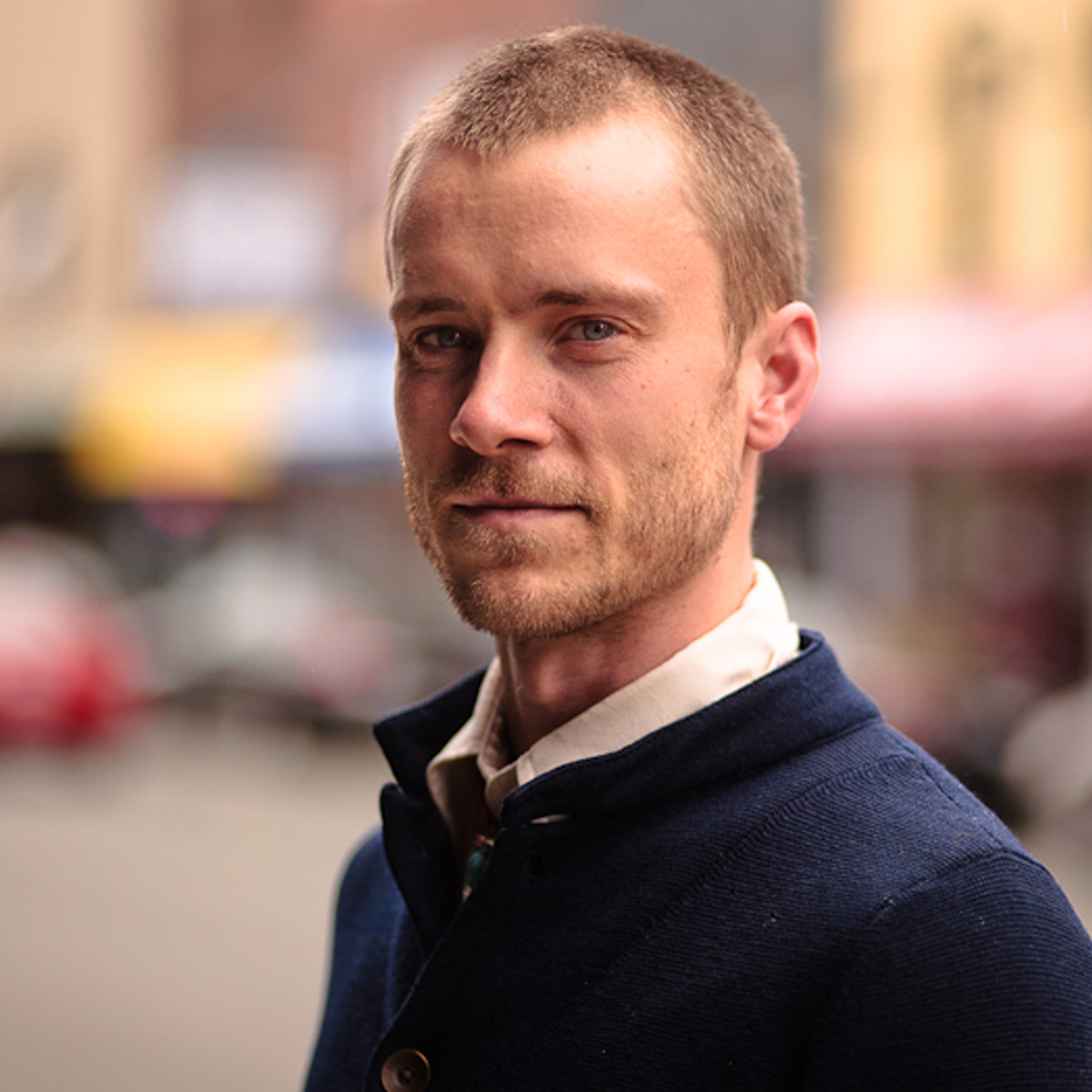 As a poet, what made you so certain that this should be a wordless book/story?
When I met JonArno after the book was mostly done I realized that what I wanted from the story was the same for him. His vision for the book aligned perfectly with mine. I’m certain that it was Sheila Barry who made sure of that. Oh, she’s good.
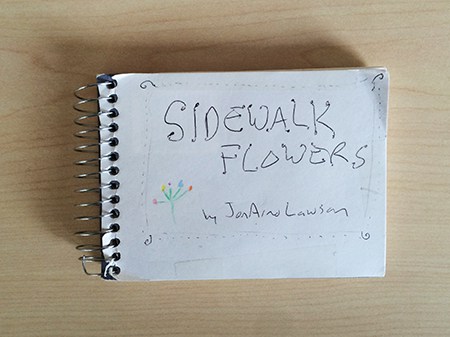 SS: I’m always surprised by the different things people respond to. Responding to the theme of mindfulness is a common response but I noticed that adults seem to appreciate it possibly more than kids. But that makes sense. I think it may be something that adult’s miss from when they were young and love remembering the importance of being present and open minded. On top of that, children respond to the details in the story.
It’s really encouraging that this book is embraced the way it is. Every step of the way it has been created with love and it’s beyond exciting to see people from all over the world respond to that. It really challenges my cynicism.
 If you don’t mind telling us, what are you working on next?
JL: What am I working on next? That’s a short question with a long answer – you might regret asking it!. . .I have a few books coming out over the next few years. I’m illustrating Nelson Ball’s children’s poetry book A Vole on a Roll for Shapes and Sounds Press – it’s coming out fairly soon. . . I have a book of children’s poetry coming out with Porcupine’s Quill this fall, illustrated by Alec Dempster (I’m not sure of the title yet). And a rhyming picture book called Leap! coming out with Kids Can Press the year after. I’m working on a non-fiction book about cross-cultural play with children, for Wolsak & Wynn – that should be out in 2018. I have a picture book loosely based on my Uncle Holland (called Uncle Holland) coming out with Groundwood in 2017, I believe, and Sydney and I are doing another wordless book together with Groundwood, but I’m not sure when that one’s coming out. Most of these are done, or almost done, but I have a lot of other manuscripts that I’m working on – mostly with words, but some without.